Riverfront Lots In Campbell County
Dayton Metal Roof Coating
Dayton metal roof coating for commercial buildings in Kentucky, with lift staging and drain checks planned around the Ohio River.
- R-Panel Roofs
- Standing Seam Roofs
- Low-Slope Roofs
- Shingle Roofs
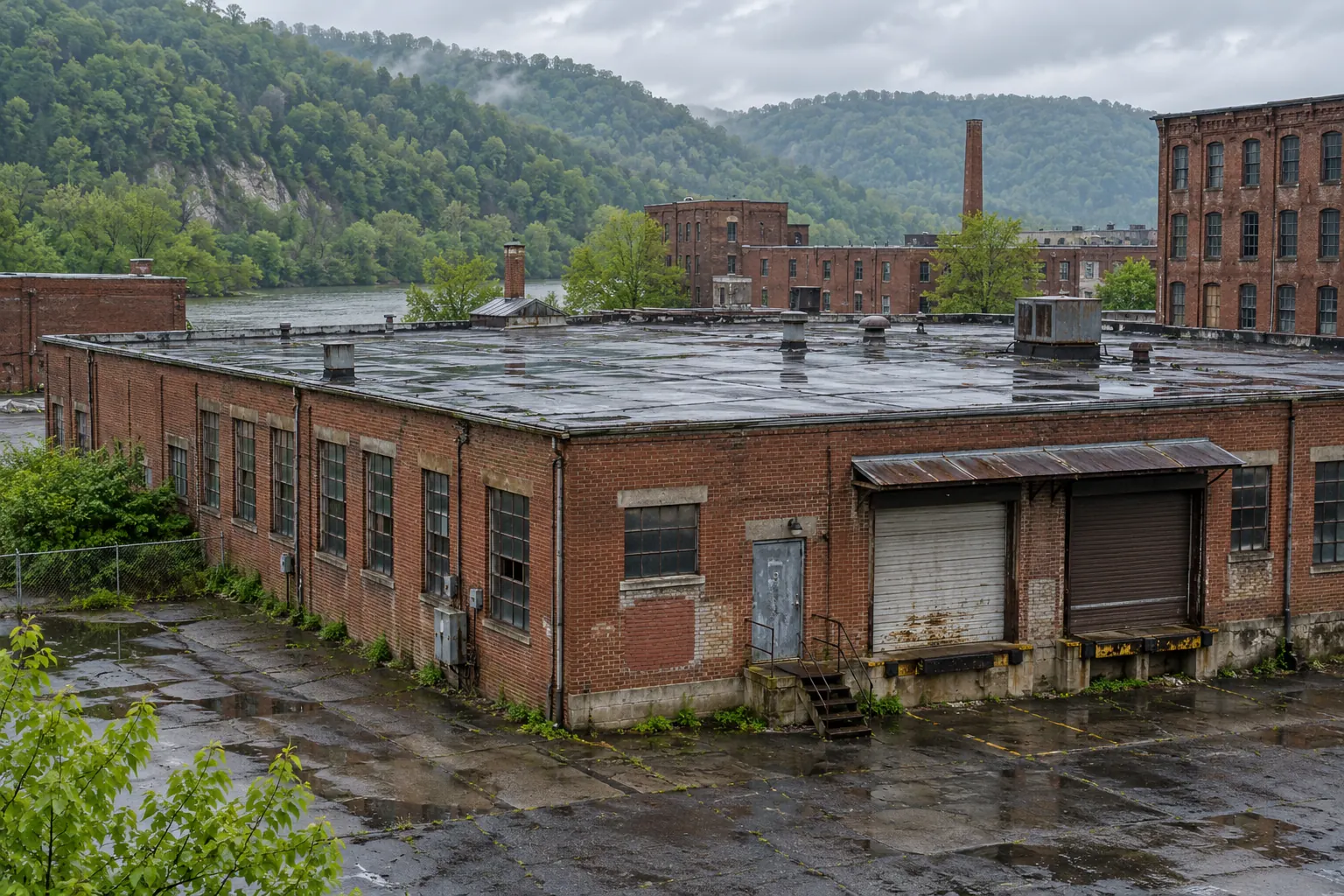
Staging On A Low Riverfront Lot
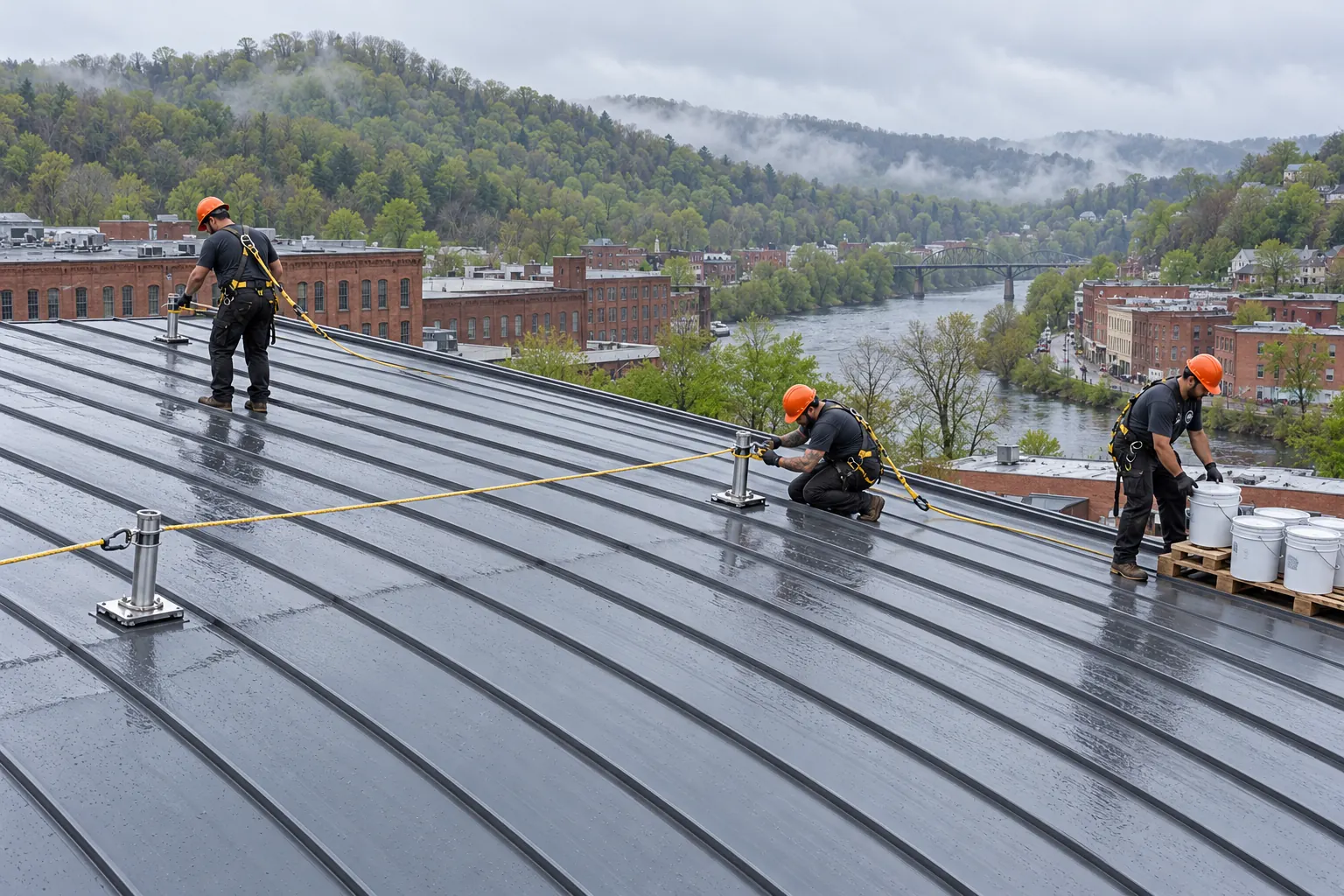
The roof itself stays high and dry, but the ground under the lift can be soft after high water. Owners of low-lying lots along the river check flood history and the property's flood zone before staging is planned.
Lifts and material go on paved, high ground, and the schedule avoids weeks when the river is rising. If water does come up mid-job, the roof is left in finished sections with no laps opened and unsealed.
- Lift staged on paved high ground
- Work timed around river rises
- Drains and storm lines checked after floods
What We Check On Dayton Roofs
River lots bring drainage and moisture problems along with the usual metal roof wear. These four lead the list.
- Watch
End Laps On Long Runs
Water creeps uphill between overlapping panels on long, low runs. Those laps get cleaned and reinforced with coating and fabric.
- Repair First
Silt In Downspouts And Scuppers
High water can leave silt and debris in drains. They get flushed before drainage is tested on the finished roof.
- Repair First
Storm Lines Backing Up
Flooding can back up underground storm pipe. Roof drains tied into it get checked for flow after the water drops.
- Call Now
Old Butyl Tape Hardened
Lap tape that has slumped or hardened gets scraped back where it blocks a clean bond, then the lap gets sealed.
- Watch
White Rust On River-Side Gutters
Damp river air leaves powdery zinc oxide on galvanized gutters. It gets scrubbed and primed with a galvanized primer before the coat.
- Repair First
Screws Rusted At The Low End
Fasteners near the eave sit in runoff the longest. Rusted heads get replaced with oversized screws and sealed.
Benefits of Coating Your Roof
A coating on a riverfront building keeps the work above the flood risk. Here is what Dayton owners get from it.
- Riverfront Warehouses
- Shops On Low Lots
- Storage Buildings
- Small Commercial Blocks
A Short Window On Site
Coating takes less time than a re-roof, which means fewer days with a lift parked on a lot that can flood.
Laps Sealed Against Seepage
Reinforced end laps stop the capillary leaks that long, low riverfront roofs are known for.
Panels Kept, Costs Held Down
Keeping firm panels avoids tear-off debris and new steel on a lot where hauling is harder after high water.
Renewable Finish
The top coat can be washed and recoated later, scheduled for a dry stretch when the river is low.
Commercial Roof Coating Options for Dayton
These three setups cover most Dayton metal buildings near the river.
Lap-First Metal Coating
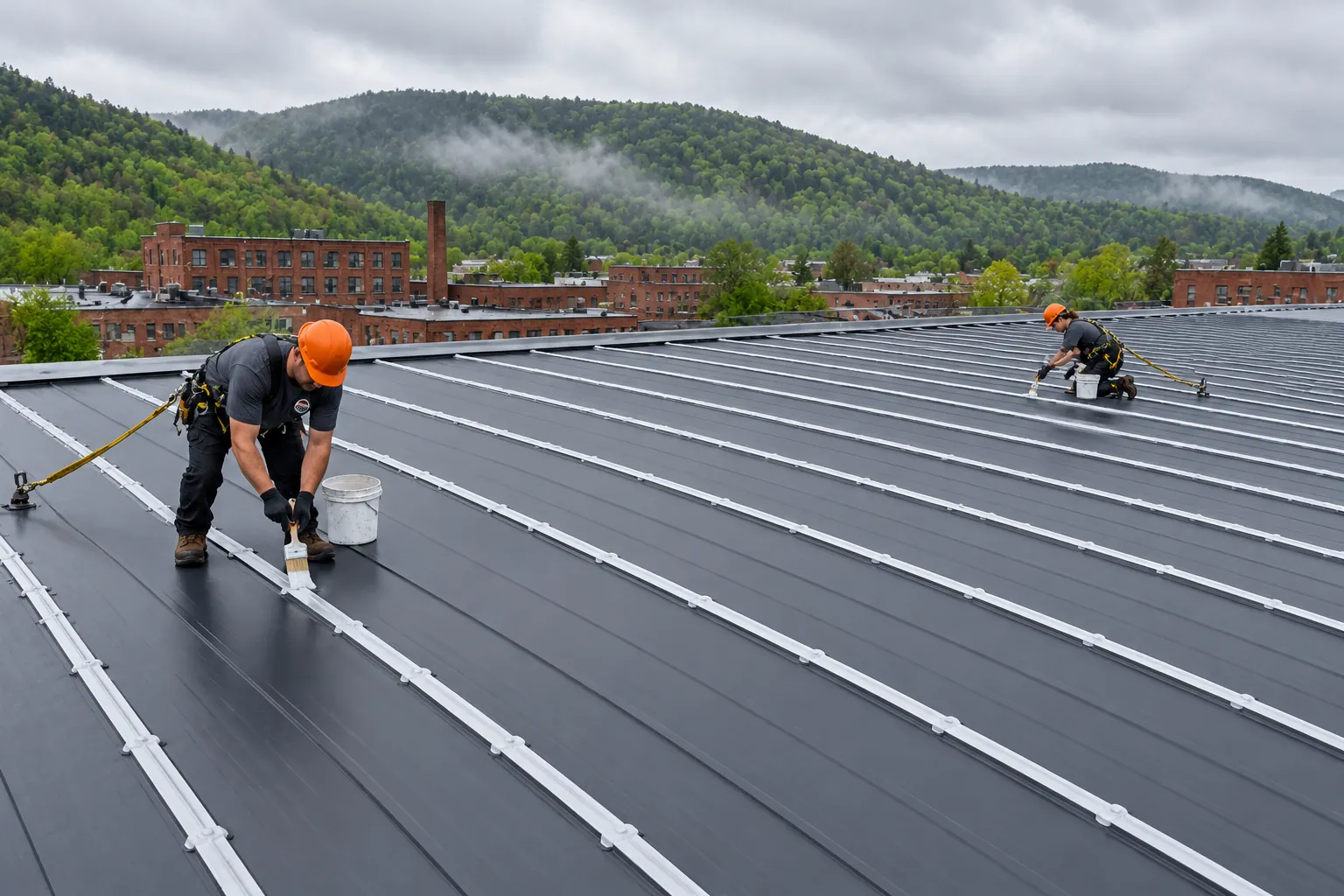
Side laps and end laps get fabric and coating before the field. On long, low roofs where water creeps uphill between panels, this step matters most.
Metal roof coating →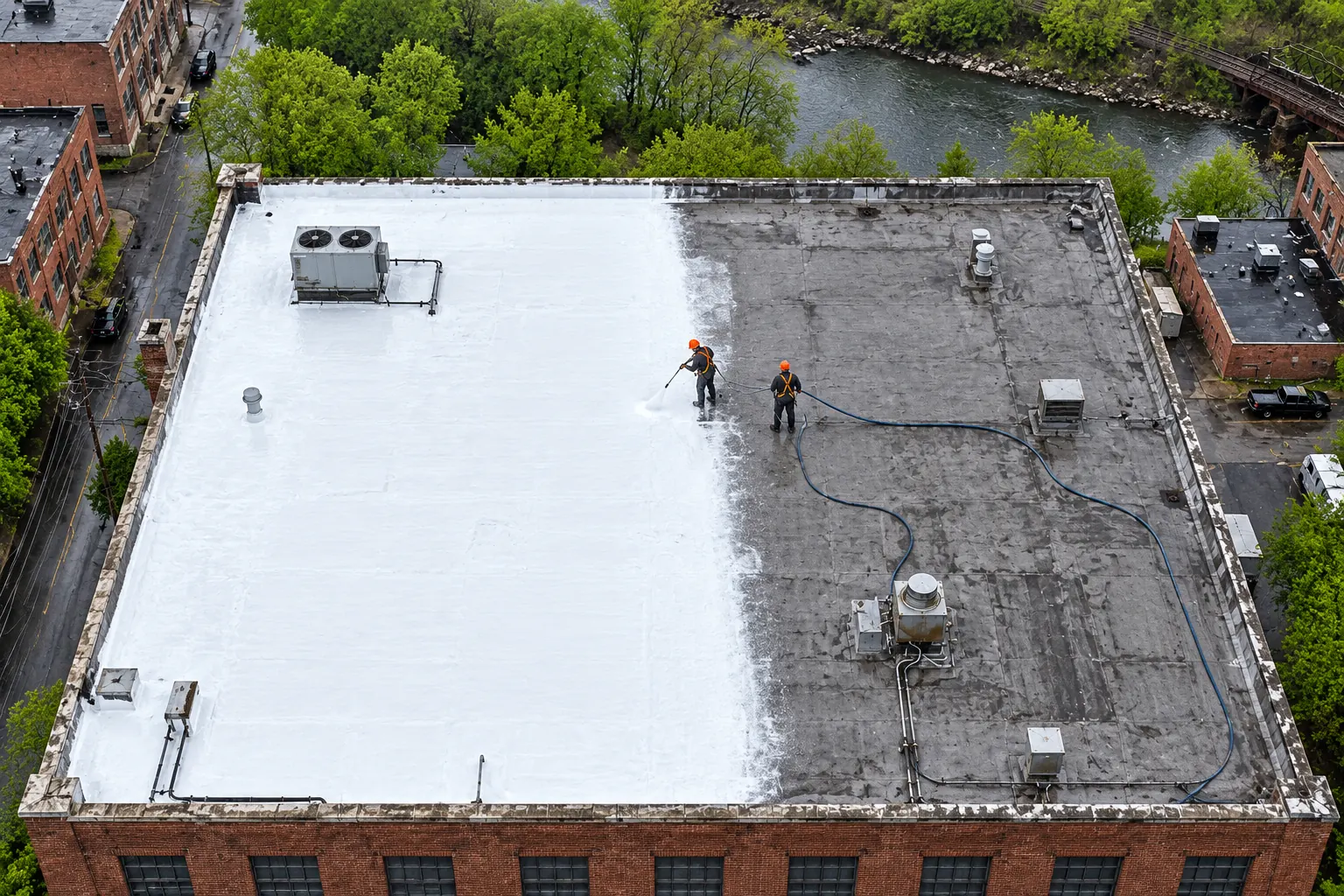
Silicone Where Water Lingers
Flat sections and low spots that hold water after rain get silicone over the prepped surface.
Silicone roof coating →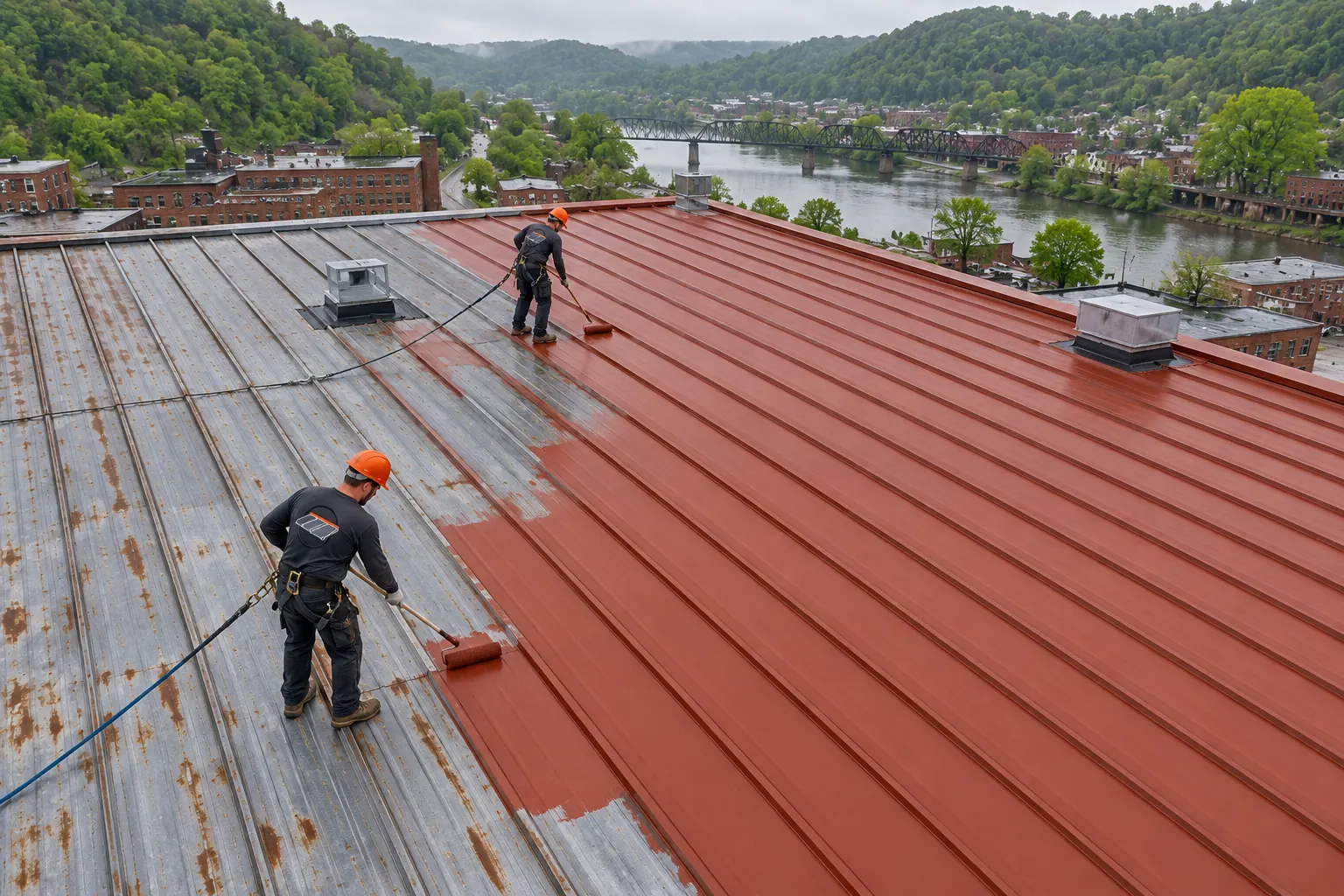
Rust Treatment And A Color Coat
Rusted panels get ground and primed, and street-facing roofs can be coated in a chosen color.
Acrylic roof coating →
Lot Still Wet From High Water?
Get a ballpark range now, and we will set the inspection for when the lot is firm and the river has dropped.
How A Dayton Metal Roof Coating Job Runs
On riverfront lots, the ground and the river schedule shape the job as much as the roof does.
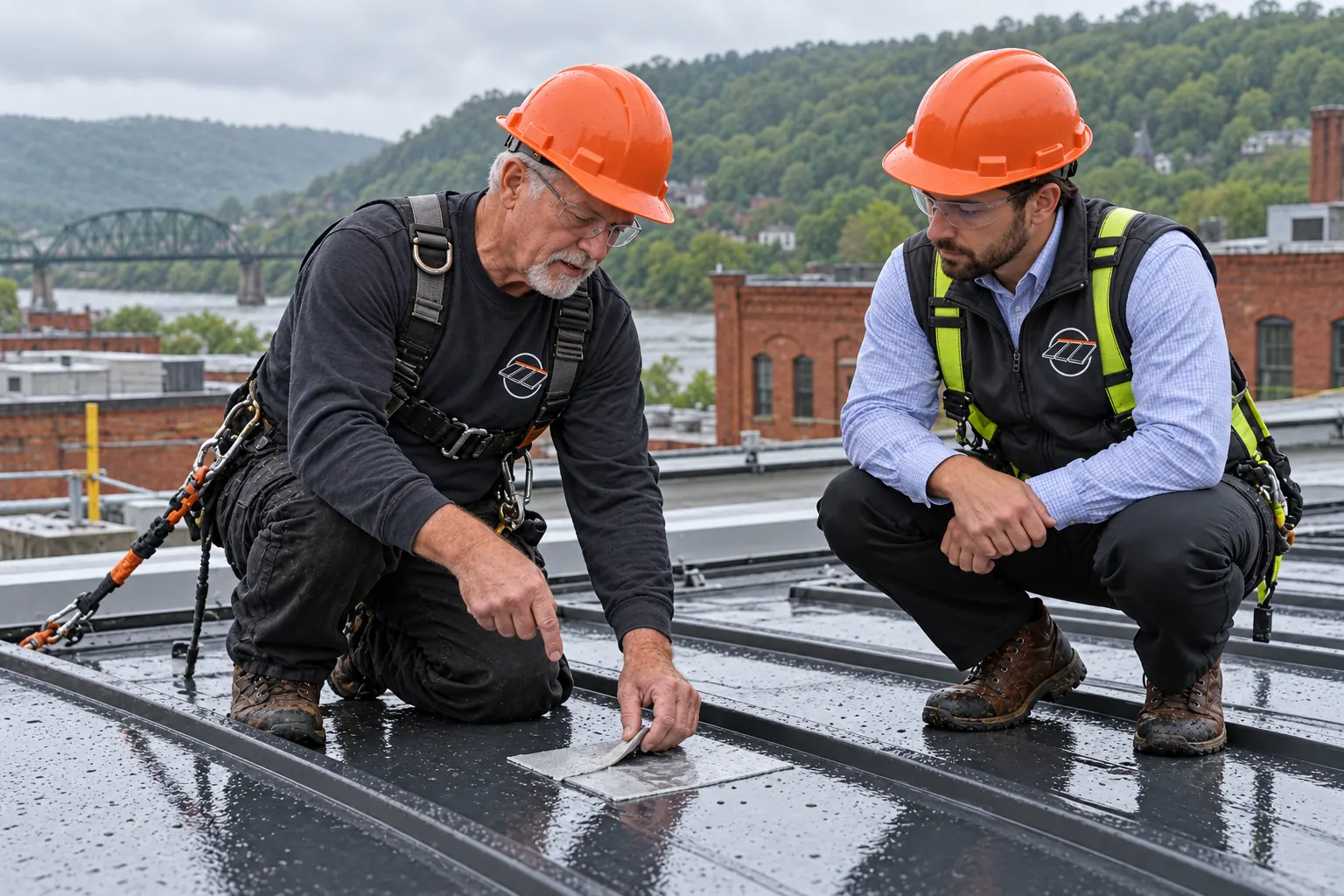
Inspect Your Roof
We check laps, drains, and downspouts on the roof, and the ground where a lift would stand.
Check Flood History
You confirm the property's flood zone and recent high water, so staging and timing avoid soft ground.
Flush And Repair
Drains, scuppers, and storm connections get cleared, and laps and screws get sealed.
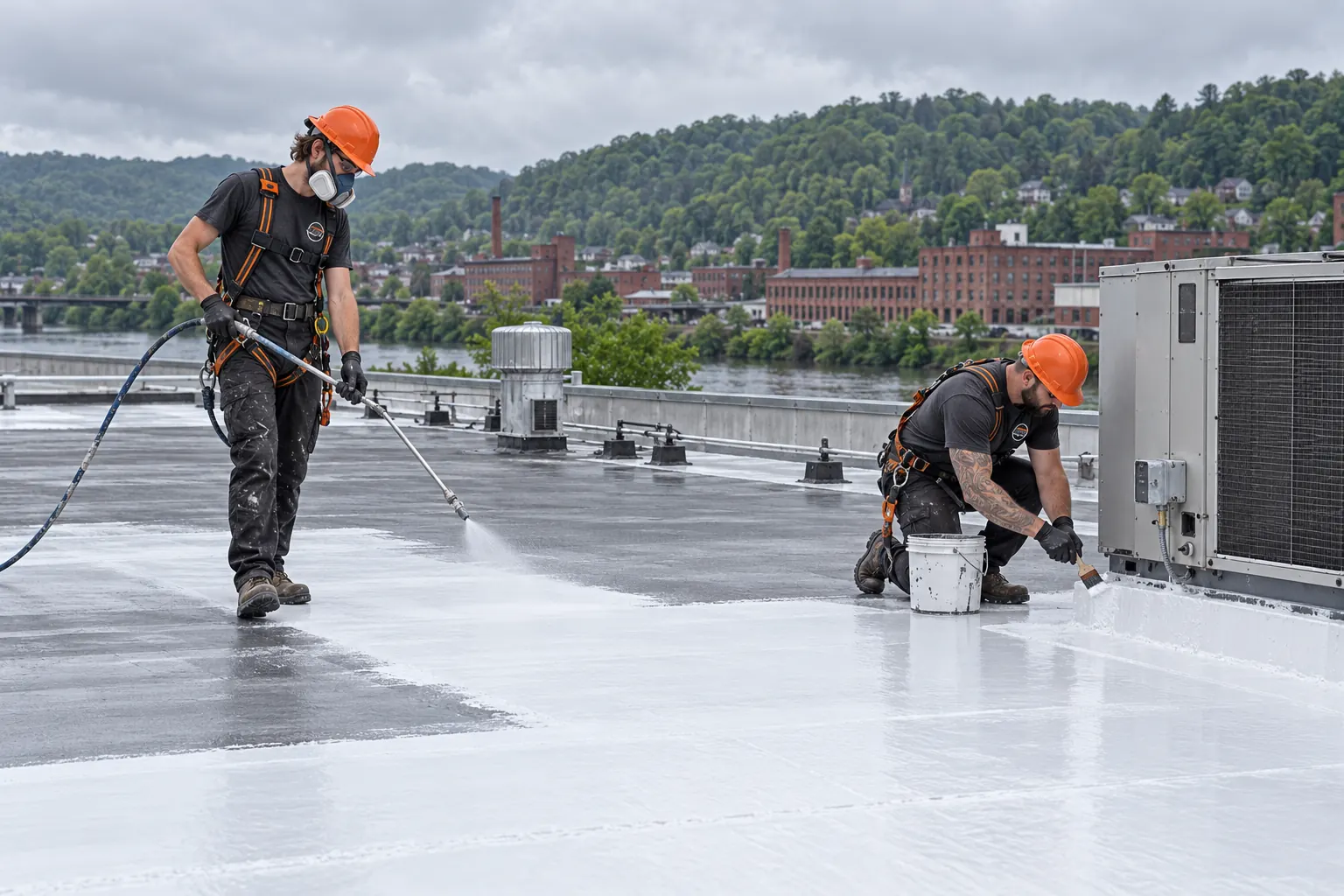
Coat In A Dry Window
The coating goes on during a dry stretch with the river low, and drains get one more check.
Test The Drainage
Water run through the gutters, scuppers, and downspouts shows the roof drains cleanly into storm lines that flow, so the next high water starts from a working system.
Towns We Cover From Covington
Located outside Dayton? We are glad to talk. Just call us or send us a message. Our metal roof coating area also covers Covington and these towns.
Newport
Floodgate timing and street lifts near the riverfront.
Newport metal roof coating →Bellevue
Dew-soaked end laps and overspray control near neighbors.
Bellevue metal roof coating →Fort Thomas
Hatches, skylights, and edges facing hilltop wind.
Fort Thomas metal roof coating →Ludlow
City notices about rusted panels and failing flashing.
Ludlow metal roof coating →Southgate
Leaf-packed gutters and splash blocks on sloped lots.
Southgate metal roof coating →
Dayton Roof Coating Questions
Answers about laps, flooding, and permit offices for Dayton, Kentucky.
Seams
How are panel laps and seams sealed before coating?
Side laps and end laps are cleaned, then sealed with coating, a strip of polyester fabric or seam tape pressed into it, and a second coat.
End laps matter most on long, low runs, since water creeps uphill between panels. Slumped or hardened butyl tape gets scraped back where it blocks a clean bond.
Permits
Is Dayton, Kentucky roof work handled by Dayton, Ohio offices?
No. Dayton, Kentucky is a Campbell County river city, and its building permits go through the Campbell County building inspection office.
The name mix-up shows up in searches for codes and suppliers. Kentucky follows its own state building code, so use Kentucky and Campbell County sources only.
Flooding
What should Dayton building owners check about flooding before roof work?
Flood history and the property's flood zone, since ground under a lift can be soft after high water. Staging goes on paved high ground.
Time the work away from rising water, and check downspouts, scuppers, and storm lines for silt after floods before the gutters get coated.
Moisture
Does river moisture slow the work?
It can delay morning starts. Coating needs dry panels above the dew point, so work begins after the dew burns off.
Galvanized gutters near the river often show white rust, which gets cleaned and primed during prep.
Access
What if the lot floods during the job?
The lift and material come off the low ground, and the roof work pauses until the lot is firm again.
Coated areas are finished in sections, so a pause leaves no open, half-prepped laps on the roof.
Drains
Why check storm lines before coating the gutters?
If an underground storm line is still blocked from a flood, the gutters back up and overflow onto the new coating.
Running water through the downspouts after the river drops shows whether the lines flow, so the gutter work is done once.
Price Your Dayton Roof
Enter the roof size for a ballpark range, or call to plan around the river schedule.